What is Digital Marketing: A Beginner’s Guide That Actually Makes Sense (2025)

Ever feel like everyone’s speaking a different language when they talk about online marketing? You’re scrolling through social media, and suddenly there’s talk about SEO, PPC, and conversion rates. It’s enough to make your head spin!
Here’s the thing: digital marketing doesn’t have to be this mysterious, complicated beast that only tech wizards can understand. In fact, you probably interact with digital marketing every single day without even realising it.
That Instagram ad for those shoes you’ve been eyeing? Digital marketing. The helpful email from your favourite coffee shop about their new seasonal blend? Digital marketing. Even that YouTube video that taught you how to fold fitted sheets (finally!) – yep, that’s digital marketing too.
Digital marketing has completely changed how businesses connect with their customers. And the best part? It’s not just for big corporations with massive budgets anymore. Small businesses, freelancers, and even individuals can use these same strategies to grow their reach and connect with people who genuinely care about what they offer.
If you’re new to digital marketing, don’t worry—we’ll start from the very beginning. By the time you finish reading this guide, you’ll understand exactly what digital marketing is, why it matters, and how you can start using it to grow your business or career. No confusing jargon, no overwhelming technical details—just friendly, practical advice that actually makes sense.
What is Digital Marketing, and Why Should You Care?
So what is digital marketing exactly, and why is everyone talking about it?
Think of digital marketing as simply connecting with people online. Instead of putting up a billboard on the highway or running an ad in the newspaper, you’re meeting your customers where they already spend their time -on their phones, computers, and tablets.
Digital marketing is really just promoting products and services through digital channels like websites, social media, email, and search engines. But here’s what makes it special: it’s a two-way conversation. Unlike traditional advertising, where you just broadcast your message and hope someone hears it, digital marketing lets you actually talk with your customers.
It’s Like Having a Conversation, Not Giving a Speech
Remember the last time you called a business and got stuck in phone tree hell? “Press 1 for this, press 2 for that…” That’s old-school, one-way communication.
Digital marketing is more like bumping into a friend at the coffee shop. You can ask questions, get immediate answers, share stories, and build a real relationship. When someone comments on your Instagram post, you can respond right away. When they email you a question, you can help them out personally.

The Big Difference from Traditional Marketing
Your grandparents might have discovered new products through TV commercials or newspaper ads. Nothing wrong with that! But digital marketing offers something those traditional methods can’t: the ability to track exactly what’s working.
With digital marketing, you can see:
● How many people saw your content
● Which posts got the most engagement
● What time of day your audience is most active
● Which messages led to actual sales
It’s like having a crystal ball that shows you exactly what your customers want and when they want it.
Digital Marketing vs Online Marketing (Don’t Worry, It’s Simple)
You might hear people use these terms interchangeably, and honestly, that’s fine for most conversations. But here’s the tiny difference:
Online marketing happens exclusively on the internet-think email campaigns, social media posts, and Google ads.
Digital marketing is a bit broader. It includes online content, as well as digital billboards, text messages, and even those fancy interactive displays you see at the mall.
For most of us, starting, we’re really talking about online marketing. But “digital marketing” sounds more professional, so that’s what most people say!
Why Digital Marketing Matters Today (Spoiler: It Really Does)
Let’s be honest – the world has gone digital. Your customers aren’t just online; they’re practically living there. And if you’re not meeting them where they are, you’re missing out on incredible opportunities.
You Can Reach Anyone, Anywhere
Remember when “going global” meant having enough money to ship products worldwide and set up international offices? Those days are long gone.
With digital marketing, a small bakery in Portland can sell its signature cookie recipe to someone in Tokyo. A freelance graphic designer in rural Montana can work with clients in New York City. The internet has made geography almost irrelevant.
But it’s not just about reaching faraway customers. Digital marketing also helps you connect with people in your own neighbourhood who might never have found you otherwise.
It Won’t Break the Bank
Here’s something that might surprise you: digital marketing can be incredibly affordable. While a single newspaper ad might cost hundreds of dollars and reach people who aren’t even interested in your product, you can run targeted social media ads for just a few dollars a day.
Even better, many digital marketing strategies are completely free. Starting a blog, posting on social media, sending emails to your customers – these don’t cost anything except your time.
The return on investment can be amazing too. For every dollar spent on digital marketing, businesses often see five dollars back. Some see even more. Compare that to traditional advertising, where it’s much harder to track what’s actually working.
People Expect Personal Experiences
Think about your favorite brands. Chances are, they make you feel special somehow. Maybe they remember your birthday, suggest products you actually want, or send you content that feels like it was made just for you.
That’s the magic of personalization, and it’s something digital marketing does incredibly well. Instead of sending the same generic message to everyone, you can create different experiences for different groups of people.
For example, if you run a fitness blog, you might send workout tips to beginners and nutrition advice to people who’ve been following you for a while. Everyone gets something valuable, but it feels personal and relevant.
You Get Instant Feedback
One of the coolest things about digital marketing is how quickly you can see what’s working. Post something on social media and you’ll know within hours if it resonated with people. Send an email and you can see who opened it, who clicked on links, and who made a purchase.
This instant feedback means you can adjust your approach on the fly. If something isn’t working, you don’t have to wait weeks or months to find out – you can pivot immediately and try something new.
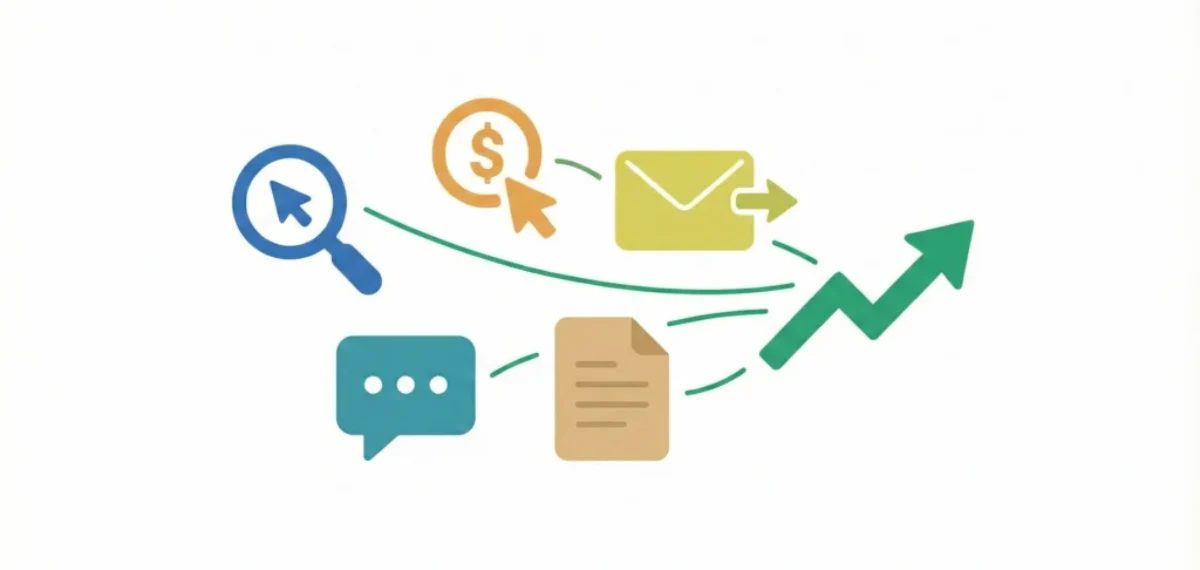
Types of Digital Marketing That Actually Work
Now that you understand what digital marketing is and why it matters, let’s explore the different ways you can actually do it. Don’t worry – you don’t need to master all of these at once. Most successful businesses start with one or two and gradually expand.
Search Engine Optimization (SEO) – Getting Found on Google
SEO is basically the art of making your website show up when people search for things related to your business on Google. It’s like making sure your store has a big, clear sign that people can see from the street.
The beautiful thing about SEO is that it brings you “free” traffic. When someone searches for “best pizza in Chicago” and your restaurant shows up at the top, you didn’t pay for that click – you earned it by having a great website with helpful information.
SEO does take time and patience. It’s not unusual to wait several months before seeing significant results. But once it starts working, it can bring you customers consistently for years.

Pay-Per-Click Advertising (PPC) – Getting Results Fast
If SEO is like building a reputation over time, PPC is like putting up a billboard on the busiest highway in town. You pay for immediate visibility, and you only pay when someone actually clicks on your ad.
Google Ads is the most popular PPC platform, but you can also run ads on social media, YouTube, and other websites. The cost varies wildly depending on your industry – some clicks cost less than a dollar, while others can cost $30 or more.
The advantage of PPC is speed. You can set up a campaign today and start getting visitors to your website within hours. It’s perfect for testing new ideas or promoting time-sensitive offers.
Content Marketing—Sharing Helpful Stuff
Content marketing is all about creating valuable, interesting content that helps your audience solve problems or learn something new. This could be blog posts, videos, podcasts, infographics, or even social media posts.
The idea isn’t to directly sell your products in every piece of content. Instead, you’re building trust and establishing yourself as someone who knows what they’re talking about. When people are ready to buy, they’ll think of you first.
A great example is a plumbing company that creates YouTube videos showing homeowners how to fix common problems themselves. They’re not trying to sell you a service in every video – they’re just being helpful. But when you have a big plumbing emergency you can’t handle alone, guess who you’re going to call?
Social Media Marketing—Meeting People Where They Hang Out
With billions of people using social media every day, these platforms have become essential places to connect with customers. But here’s the key: different platforms work better for different types of businesses.
Instagram is fantastic for visual businesses like restaurants, fashion brands, or travel companies. LinkedIn works great for B2B companies and professional services. TikTok is perfect for reaching younger audiences with creative, entertaining content.
The secret to social media success isn’t posting constantly – it’s posting consistently and engaging genuinely with your audience. Respond to comments, ask questions, and show the human side of your business.
Email Marketing – The Quiet Powerhouse
Email might seem old-fashioned compared to flashy social media platforms, but it’s actually one of the most effective digital marketing strategies. For every dollar spent on email marketing, businesses typically see $36-42 in return.
The key is building a list of people who actually want to hear from you. Offer something valuable in exchange for their email address – maybe a helpful guide, a discount code, or exclusive content they can’t get anywhere else.
Then, send them emails that are genuinely useful. Share tips, tell stories, and offer special deals to your subscribers. Make them glad they signed up instead of wondering how to unsubscribe.
Influencer and Affiliate Marketing – Leveraging Other People’s Audiences
Sometimes the best way to reach new customers is through people they already trust. Influencer marketing involves partnering with social media personalities who can introduce your brand to their followers.
Affiliate marketing is similar, but instead of paying upfront for a post or video, you pay a commission when the affiliate actually drives a sale. It’s performance-based, so you only pay for results.
Both strategies work because they tap into existing relationships and trust. When someone you follow and respect recommends a product, you’re much more likely to check it out than if you saw a random ad.
Video and Mobile Marketing – Meeting the Moment
Video content is absolutely exploding right now. People love watching videos because they’re engaging, easy to consume, and can convey a lot of information quickly.
You don’t need a Hollywood budget to create effective video content. Some of the most successful videos are simple, authentic, and shot on smartphones. The key is providing value – whether that’s entertainment, education, or inspiration.
Mobile marketing is crucial because more than half of all internet traffic now comes from mobile devices. This means your website, emails, and ads all need to look great and work perfectly on smartphones and tablets.
How Digital Marketing Works: Your Step-by-Step Roadmap
Creating a digital marketing strategy doesn’t have to be overwhelming. Think of it like planning a road trip – you need to know where you’re going, how you’ll get there, and how you’ll know when you’ve arrived.
Step 1: Figure Out What You Want to Achieve
Before you post a single social media update or send one email, get crystal clear on what you’re trying to accomplish. Vague goals like “get more customers” won’t cut it.
Instead, set specific targets like:
● Increase website traffic by 25% in the next three months
● Get 100 new email subscribers this month
● Generate 10 qualified leads per week

● Boost online sales by 15% before the holidays
Make sure your goals are realistic and tied to your overall business objectives. If your main goal is to increase revenue, focus on marketing activities that directly lead to sales rather than just building awareness.
Step 2: Get to Know Your People
You can’t effectively market to everyone, so don’t try. Instead, get really specific about who you’re trying to reach.
Think about your ideal customer:
● How old are they?
● What do they do for work?
● What problems are they trying to solve?
● Where do they spend time online?
● What kind of content do they enjoy?
Create detailed profiles of your ideal customers (marketers call these “buyer personas”). Give them names, backgrounds, and personalities. The more specific you get, the easier it becomes to create content and choose marketing channels that will actually resonate.
Step 3: Pick Your Channels Wisely
You don’t need to be everywhere at once. In fact, it’s better to do a few things really well than to spread yourself too thin across every possible platform.
Choose channels based on:
● Where your target audience actually spends time
● What you can realistically manage with your time and budget
● What aligns with your business goals
If you’re a B2B company, LinkedIn might be more valuable than TikTok. If you’re targeting teenagers, Instagram and TikTok probably make more sense than email marketing.
Step 4: Create Content That Actually Helps
Now comes the fun part – creating content that your audience will love. The best content solves problems, answers questions, or entertains people.
Start by making a list of questions your customers frequently ask. Each question could become a blog post, video, or social media series. Think about the journey your customers go through:
● Awareness stage: They’re just realizing they have a problem
● Consideration stage: They’re researching solutions
● Decision stage: They’re ready to choose a specific product or service
Create content for each stage. Educational content works great for awareness, comparison guides help with consideration, and testimonials or case studies can push people toward a decision.
Step 5: Track What Matters
Here’s where digital marketing really shines – you can measure almost everything. But don’t get overwhelmed by all the available data. Focus on metrics that actually relate to your goals.
If your goal is to increase sales, track:
● Website traffic from different sources
● Email open and click rates
● Social media engagement
● Conversion rates (how many visitors become customers)
● Revenue generated from each marketing channel
Most platforms provide built-in analytics, and tools like Google Analytics can give you a comprehensive view of how all your marketing efforts work together.
Step 6: Keep Getting Better
Digital marketing isn’t a “set it and forget it” activity. The most successful marketers are constantly testing, learning, and improving.
Try different approaches and see what works:
● Test different email subject lines
● Experiment with posting at different times
● Try various types of content
● Adjust your ad targeting
Small improvements can lead to big results over time. A 1% improvement in your email open rate might not seem like much, but over a year, it could mean hundreds of additional customers.
How to Start Learning Digital Marketing (You’ve Got This!)
Feeling excited about digital marketing but not sure where to begin? The good news is that you don’t need a fancy degree or expensive courses to get started. Some of the most successful digital marketers are completely self-taught.
And hey, you don’t have to figure everything out alone. If you want someone to handle your marketing or guide you step by step, that’s what I do. You can always find me on Gaznil.com.
Start with Free Resources (They’re Actually Amazing)
The internet is packed with high-quality, free educational content about digital marketing. Here are some great places to start:
Google’s free courses cover everything from the basics of digital marketing to advanced Google Ads strategies. They’re created by the people who actually built these platforms, so you know you’re getting accurate information.
HubSpot Academy offers free courses on email marketing, content creation, social media, and more. The courses are well-structured and include practical exercises you can apply to your own business.
YouTube is a goldmine for digital marketing education. You can find tutorials on virtually any topic, from setting up your first Facebook ad to advanced SEO techniques.
Practice on Your Own Projects
The best way to learn digital marketing is by actually doing it. Start a blog about something you’re passionate about, create social media accounts for a hobby or side project, or volunteer to help a local nonprofit with their online presence.
This hands-on experience is incredibly valuable. You’ll learn what works and what doesn’t, and you’ll have real examples to show potential employers or clients.
Plus, having your own website or social media presence makes you more discoverable. When people search for your name, they’ll find evidence of your digital marketing skills.
Consider Certifications (But Don’t Stress About Them)
Professional certifications can definitely boost your credibility, especially if you’re looking to work for someone else or attract clients as a freelancer.
Google offers certifications in Google Ads, Google Analytics, and general digital marketing. These are widely recognized and respected in the industry.
Facebook (Meta) has Blueprint certifications for their advertising platforms. LinkedIn offers certifications in various marketing topics.
But remember – certifications are just pieces of paper. What really matters is your ability to get results. A portfolio of successful projects is often more impressive than a wall full of certificates.
Look for Entry-Level Opportunities
You don’t need expensive digital marketing courses to get started. Many companies are willing to hire people with basic digital marketing knowledge and train them on the job.
Look for positions like:
● Social media coordinator
● Content marketing assistant
● Digital marketing intern
● Email marketing specialist
● SEO assistant
Remote work is increasingly common in digital marketing, which opens up opportunities regardless of where you live. Many successful digital marketers work from home, coffee shops, or even while travelling the world.
For more reading on the same topic, read these articles:
How to start in digital marketing (2025 guideline)
Digital marketing: complete 2025 beginner guide” for the Reliablesoft article.

Your Digital Marketing Journey Starts Now
We’ve covered a lot of ground together, haven’t we? From understanding what digital marketing really is to exploring all the different ways you can use it to grow your business or career.
Here’s what I want you to remember: digital marketing isn’t some mysterious, complicated field that only experts can understand. It’s simply about connecting with people online in helpful, authentic ways.
You don’t need to master everything at once. Pick one area that excites you—maybe it’s creating helpful blog content, or perhaps you’re drawn to the visual storytelling possibilities of Instagram. Start there, get comfortable, and then gradually expand your skills.
The digital world is constantly evolving, and that’s actually exciting news. It means there are always new opportunities to explore, new ways to reach your audience, and new tools to make your marketing more effective.
Digital marketing has completely changed how businesses connect with their customers, and the best part is that these powerful tools are available to everyone—not just big corporations with massive budgets.
Whether you’re a small business owner looking to reach more customers, someone considering a career change, or just curious about how the digital world works, you now have the foundation you need to get started.
Remember, every expert was once a beginner. Every successful digital marketer started exactly where you are right now—with curiosity, determination, and a willingness to learn.
So what are you waiting for? Your digital marketing adventure starts today. Pick one small thing you learnt in this guide and try it out. Create that social media account, start that blog, or send that first email to your customers.
The digital world is waiting for you, and I can’t wait to see what you’ll create.
Ready to dive deeper into digital marketing? Start with one strategy that resonates with you and commit to learning it well. Remember, consistency beats perfection every time. Your future customers are out there waiting to discover what you have to offer – go find them!